International Day of Zero Waste: Consume Less, Recover More, Create Greater Impact
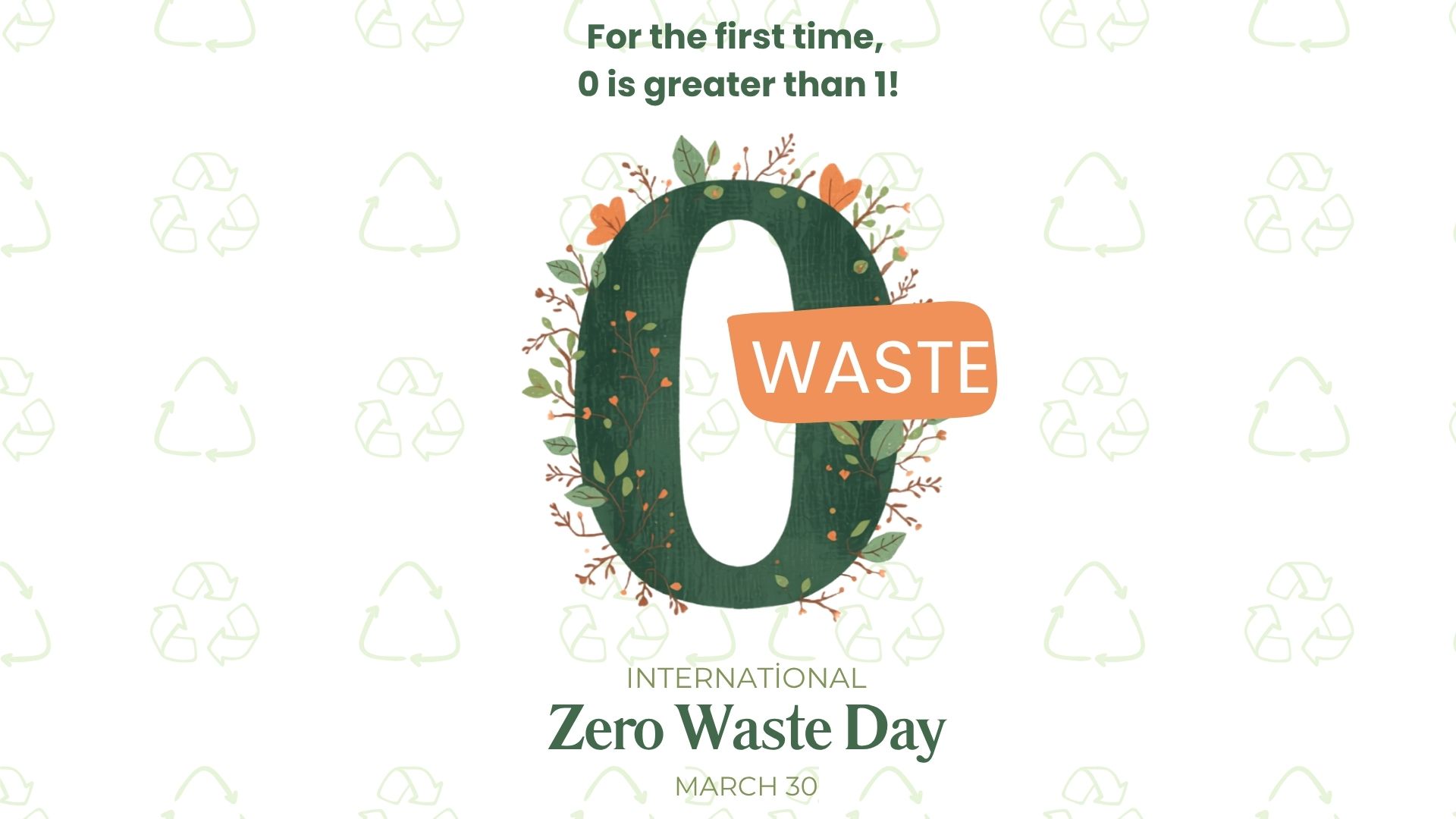
Observed every year on March 30, the International Day of Zero Waste reminds us of the importance of preventing waste at its source, using resources more efficiently, and strengthening the circular economy.
Today, this approach is more critical than ever. Waste is no longer just an environmental issue; it is also a matter of economic resilience, operational efficiency, and corporate responsibility. Reducing waste means lowering pressure on natural resources, cutting emissions, and building more sustainable systems for the future.
Why Zero Waste Matters More Than Ever
The zero waste approach is not simply about better disposal. It is about rethinking how we produce, consume, and manage materials throughout their entire lifecycle.
For companies, adopting a zero waste mindset can create value in several ways:
- reducing resource consumption
- improving environmental performance
- supporting sustainability goals
- strengthening stakeholder trust
- increasing employee awareness and participation
In other words, zero waste is not only about managing what is thrown away. It is about designing smarter systems from the beginning.
Zero Waste Is Also a Corporate Opportunity
For businesses, the International Day of Zero Waste should be seen as more than a symbolic awareness day. When approached strategically, it can become an opportunity to:
- engage employees around sustainability
- turn environmental goals into visible action
- generate measurable outcomes for sustainability reporting
- support ESG targets and corporate reputation
- create impact that can be communicated both locally and globally
This is why zero waste initiatives are most effective when they combine operational solutions with awareness-building and participation.
The Overlooked Challenge: Electronic Waste
When people think about zero waste, they often focus on packaging, plastics, or food waste. However, electronic waste is one of the most urgent waste streams of our time.
End-of-life phones, computers, cables, chargers, and small electronic devices can create significant environmental risks when not managed properly. At the same time, they contain valuable materials that can be recovered and reintroduced into the economy.
For companies, e-waste is not only an environmental issue. It is also linked to compliance, traceability, and data security. Devices stored, forgotten, or disposed of informally can lead to hidden operational and reputational risks.
Building a Stronger Zero Waste Culture Inside Organizations
Creating a real zero waste culture within a company requires more than placing collection boxes in the office. To create meaningful impact, three elements need to work together:
1. Infrastructure
Waste must be collected safely and separated correctly.
2. Monitoring and Reporting
The amount, type, and recovery outcomes of collected waste should be visible and measurable.
3. Awareness and Participation
Employees need to understand the purpose of the initiative and actively take part in it.
This is why the most successful waste management projects are not only operational systems, but also engagement and culture-building projects.
Turning Awareness Into Measurable Impact
The International Day of Zero Waste offers a strong opportunity for companies to move from awareness to action. Rather than limiting sustainability communication to one-off messages, organizations can use this day to launch initiatives that create long-term value.
Especially in the area of electronic waste, a well-designed collection project can help companies:
- improve internal awareness
- increase employee engagement
- ensure proper handling of end-of-life devices
- generate measurable sustainability data
- create outcomes that can be used in annual or global reporting
How Mol-e Creates Value
At Mol-e, we develop solutions for electronic waste and other waste streams, helping organizations build processes that are more transparent, trackable, and effective.
Our awareness-focused corporate e-waste collection projects are designed not only to support waste management, but also to increase employee awareness and participation. Through structured collection systems, digital tracking, and measurable outputs, we enable companies to create results that can be used in:
- sustainability reports
- ESG communication
- internal engagement strategies
- global reporting processes
The International Day of Zero Waste is not just a day to raise awareness. It is a chance to build systems, inspire participation, and create measurable environmental impact.
At Mol-e, we help organizations turn that opportunity into action.