
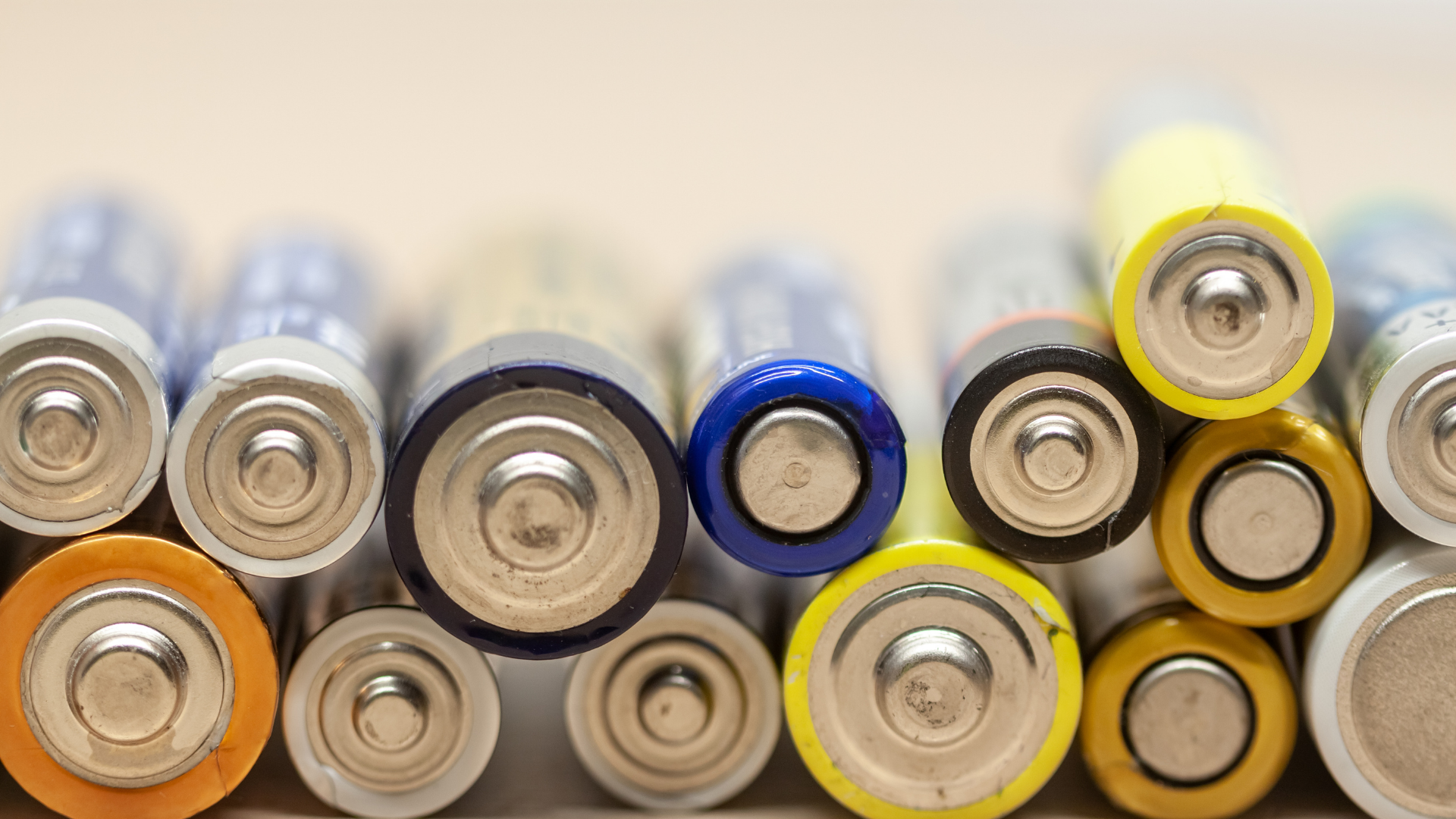
Waste Batteries: Environmental Impact, Proper Disposal Methods, and Recycling Tips
Batteries are an essential power source for electronic devices, but when they reach the end of their life, improper disposal can pose a serious threat to the environment. Waste batteries contain toxic substances that can pollute soil and water and negatively impact human health. In this article, you’ll find detailed information about the environmental effects of waste batteries, proper disposal methods, and recycling tips.
1. Environmental Impact of Waste Batteries
When disposed of improperly, waste batteries release heavy metals such as lead, mercury, and cadmium into the soil and water, causing significant pollution. These toxic substances can affect natural elements, from plants to groundwater. Additionally, when chemicals from batteries enter the ecosystem, they pose risks to both animals and humans.
2. How to Properly Dispose of Waste Batteries
Instead of throwing away used batteries, disposing of them properly is an essential step in protecting the environment. Here are some effective ways to dispose of waste batteries:
- Drop Off at Recycling Centers: Many municipalities and private organizations have designated collection points for waste batteries. You can leave your batteries at these locations.
- Use Recycling Bins: Shopping centers, schools, and some electronics stores provide recycling bins for waste batteries. You can safely dispose of your batteries by using these bins.
- Participate in Community Collection Days: Local governments and environmental organizations often hold community recycling events to raise awareness and encourage recycling.
3. Why Recycling Waste Batteries is Important
Recycling waste batteries helps conserve natural resources and reduces environmental pollution. By properly recycling batteries, harmful substances are prevented from being released into the environment, and these materials are reused. For example, some metals from recycled batteries can be used in the production of new batteries, preventing resource waste and lowering production costs.
4. Tips to Reduce the Environmental Impact of Waste Batteries
Here are some simple yet effective steps you can take individually to reduce the negative effects of waste batteries on nature:
- Use Rechargeable Batteries: Opt for rechargeable batteries instead of single-use ones to reduce battery consumption.
- Use Batteries Fully: Avoid replacing batteries before they are completely used, as this reduces battery consumption.
- Raise Awareness: Educate those around you about the harmful effects of waste batteries and encourage them to recycle.
5. Waste Battery Management and Regulations in Turkey
In Turkey, significant regulations are in place for the disposal and recycling of waste batteries. The Ministry of Environment and Urbanization promotes collection and recycling systems to prevent environmental harm from waste batteries. Municipalities also organize various recycling programs to raise public awareness.
Conclusion
Waste batteries can seriously harm the environment and health if not disposed of properly. Safe disposal and recycling of batteries are essential for our future. As a responsible consumer, you should dispose of your waste batteries in designated places, adopt an environmentally conscious approach, and inform those around you about waste management.