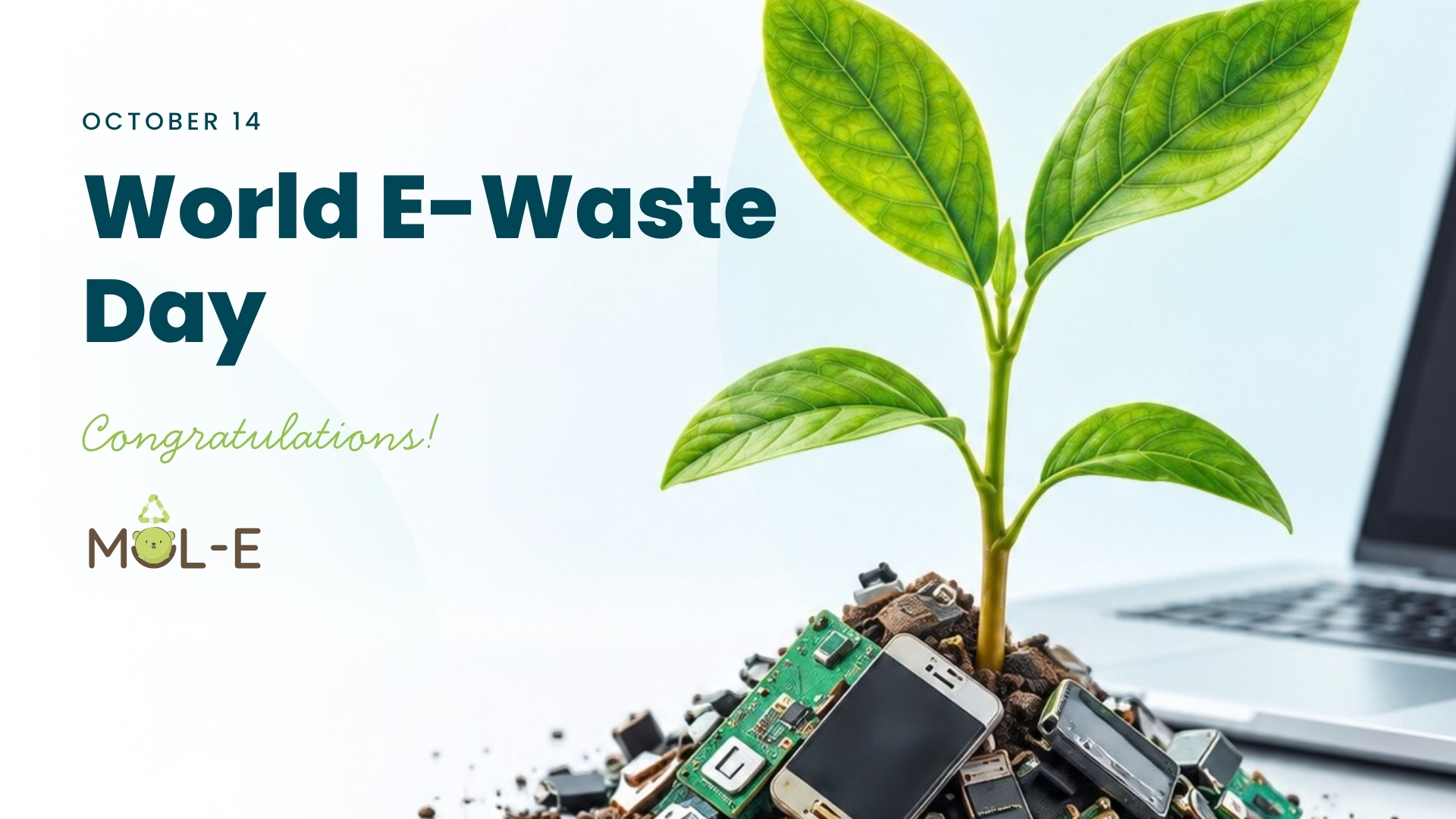

Is Green Technology Really Green? The Hidden Waste Behind Affordable Electronic Devices
Rechargeable mini fans, power banks, wireless earbuds, LED lamps, and countless other portable electronic devices have become an essential part of our daily lives. Thanks to their energy efficiency and rechargeable features, many of these products are marketed as environmentally friendly or "green" technologies.
However, there is another side to this story.
As the popularity of low-cost electronic devices continues to grow, so does the volume of electronic waste they generate. While these products may help reduce energy consumption during use, their short lifespan and improper disposal create a growing environmental challenge.
When Green Technology Becomes Electronic Waste
A product cannot be considered truly sustainable simply because it is rechargeable or energy efficient.
For a technology to be genuinely environmentally friendly, it should also:
- Have a long service life
- Be designed for repair and maintenance
- Be easy to recycle at the end of its life
- Allow valuable materials to be recovered and reused
Without these principles, even products promoted as "green" can contribute significantly to the global e-waste crisis.
Short Lifespans Lead to Growing Waste
Affordable electronic devices are now easier to purchase than ever before. Online marketplaces offer inexpensive gadgets that often become disposable products rather than long-term investments.
Instead of repairing a broken portable fan or replacing the battery in a power bank, many consumers simply buy a new one. The same trend applies to wireless earbuds, charging cables, LED lights, and numerous small electronic accessories.
As a result, millions of electronic products are discarded every year—even when only a single component has failed.
The Hidden Challenge: Lithium-Ion Batteries
Many modern portable devices rely on lithium-ion batteries.
These batteries provide excellent energy density and support the transition toward cleaner technologies. However, when they are discarded improperly, they can create significant environmental and safety risks.
Improperly disposed lithium-ion batteries may:
- Increase the risk of fires and explosions
- Release hazardous substances into soil and water
- Waste valuable raw materials such as lithium, cobalt, nickel, and copper
- Increase demand for new mining activities
Recovering these materials through proper recycling is essential for conserving natural resources and supporting a circular economy.
Why Recycling Small Electronics Is Difficult
Although recycling technology continues to improve, many electronic devices are not designed with recycling in mind.
Manufacturers often seal batteries inside products using adhesives, combine multiple materials that are difficult to separate, and produce increasingly compact devices that require labor-intensive dismantling.
These design choices make recycling more expensive and less efficient. In some cases, only the most valuable metals are recovered, while other materials are lost or improperly managed.
Designing products for easier repair, disassembly, and recycling would significantly improve resource recovery rates.
Collection Is the First Step Toward Recycling
Recycling cannot happen unless electronic waste is collected properly.
Unfortunately, many small electronic devices still end up in household waste instead of dedicated collection systems. Consumers often do not realize that old earbuds, portable chargers, electric toothbrushes, or rechargeable fans should never be thrown into regular trash bins.
When these products are collected through licensed recycling programs, valuable materials—including copper, aluminum, steel, plastics, and critical minerals—can be recovered and reintroduced into manufacturing.
A Shared Responsibility
Reducing electronic waste requires action from everyone involved.
Manufacturers play a crucial role by developing products that are more durable, repairable, and recyclable while establishing effective take-back programs.
Consumers also contribute by extending product lifespans whenever possible and ensuring that end-of-life electronics are delivered to authorized collection and recycling facilities instead of being discarded as general waste.
Together, these actions reduce environmental impacts and help preserve valuable resources for future generations.
The Future of Green Technology Depends on Circular Economy
The environmental impact of an electronic device is determined not only by how much energy it consumes but by its entire life cycle—from raw material extraction and manufacturing to use, collection, recycling, and material recovery.
True sustainability is achieved when products remain in circulation for as long as possible and the valuable materials they contain are recovered instead of becoming waste.
As demand for affordable electronics continues to rise worldwide, responsible e-waste management will become increasingly important. Building a circular economy means ensuring that today's devices become tomorrow's resources rather than tomorrow's pollution.
Green technology should not end when a device stops working. Its sustainability depends on what happens next.