International Electronic Waste Day
An old phone tucked away in a drawer, a broken pair of earphones, a charging cable that no longer fits any of your devices… These items often sit forgotten in our homes and offices. Yet getting electronics that have reached the end of their useful life into appropriate collection systems is the first step towards recovering the materials they contain. International E-Waste Day, marked on 14 October, is an opportunity to take that step and rethink our relationship with electronics.
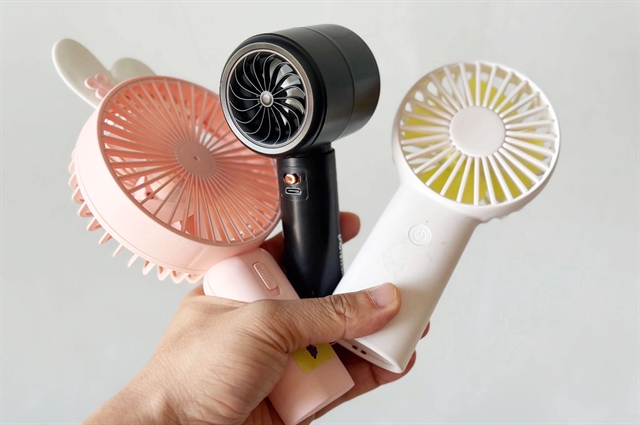
Led by the WEEE Forum, International E-Waste Day focuses on “Fast Tech” in 2026. The theme highlights the waste generated by small, inexpensive electronics that are easy to buy. Everyday products such as earphones, USB adapters, mini fans and charging cables are often overlooked as e-waste because of their size. But small devices still need to be collected separately and treated appropriately at the end of their useful life. weee-forum.org
This year’s theme also invites us to reflect on our purchasing habits. Before adding a new product to our shopping basket, considering whether we really need it, whether our existing device still works and whether it could be repaired can help us prevent waste in the first place.
According to the Global E-waste Monitor 2024, prepared by ITU and UNITAR, the world generated 62 million tonnes of electronic waste in 2022. Only 22.3% of that amount was documented as formally collected and recycled. The report projects that annual e-waste generation could reach 82 million tonnes by 2030 if current trends continue. www.itu.int
These figures highlight the importance of accessible collection systems and public participation. A simple habit of keeping unwanted electronics separate at home or at work can help devices reach appropriate treatment facilities.
Electronic devices contain recoverable materials such as copper, iron, gold and different types of plastic. Recovering these materials at appropriate facilities and using them in manufacturing can help reduce demand for virgin raw materials. Uncontrolled processing of e-waste, however, can pose risks to the environment and human health because of the hazardous substances some devices contain. Where electronics are collected, which facility receives them and how they are processed all matter. unitar.org
You can mark International E-Waste Day by taking a closer look at the electronics in your home or office:
- Identify devices you no longer use. Check drawers, cupboards and storage areas, and gather the electronics you have set aside.
- Consider repair and reuse. Passing working devices on to people who need them or repairing faulty products can extend their useful life.
- Keep end-of-life electronics separate. Do not place these devices in general household waste or packaging recycling bins.
- Check collection arrangements. Find out which items official e-waste collection points or workplace campaigns accept before planning your drop-off.
Organisations can make these steps easier by providing an accessible collection point for employees. Clear information about accepted items, a short briefing and regular updates on results can help keep a campaign visible throughout the working day.
At Mol-e, we combine digital infrastructure with field operations to deliver electronic waste collection projects for organisations. Collection bins and home pickup options tailored to each organisation’s needs make participation easier, while we coordinate the transfer of collected e-waste to licensed facilities.
Project-specific incentives and social impact options encourage participation, while digital tracking and reporting make the amount of waste collected visible. This enables organisations to monitor their campaign results and use the data to plan their next steps. mol-e.co
A collection campaign launched on 14 October can be the first step towards a habit that continues throughout the year. Regular collection and updates on results help employees see where their contributions lead.
Today, take another look at the electronics you have been setting aside. Consider what can be reused, and take devices that have reached the end of their useful life to an appropriate collection point. Contact Mol-e to start an electronic waste collection project at your organisation.