August: Textile Waste Awareness Month
Every year, millions of tons of textiles are discarded, often long before they reach the end of their useful life. As fast fashion continues to accelerate production and consumption, textile waste has become one of the fastest-growing waste streams worldwide.
In Türkiye, August has been designated as "Textile Waste Month" under the National Zero Waste Theme Plan, aiming to raise awareness about reducing, reusing, and recycling textile waste while encouraging more sustainable consumption habits.
Why Does Textile Waste Matter?
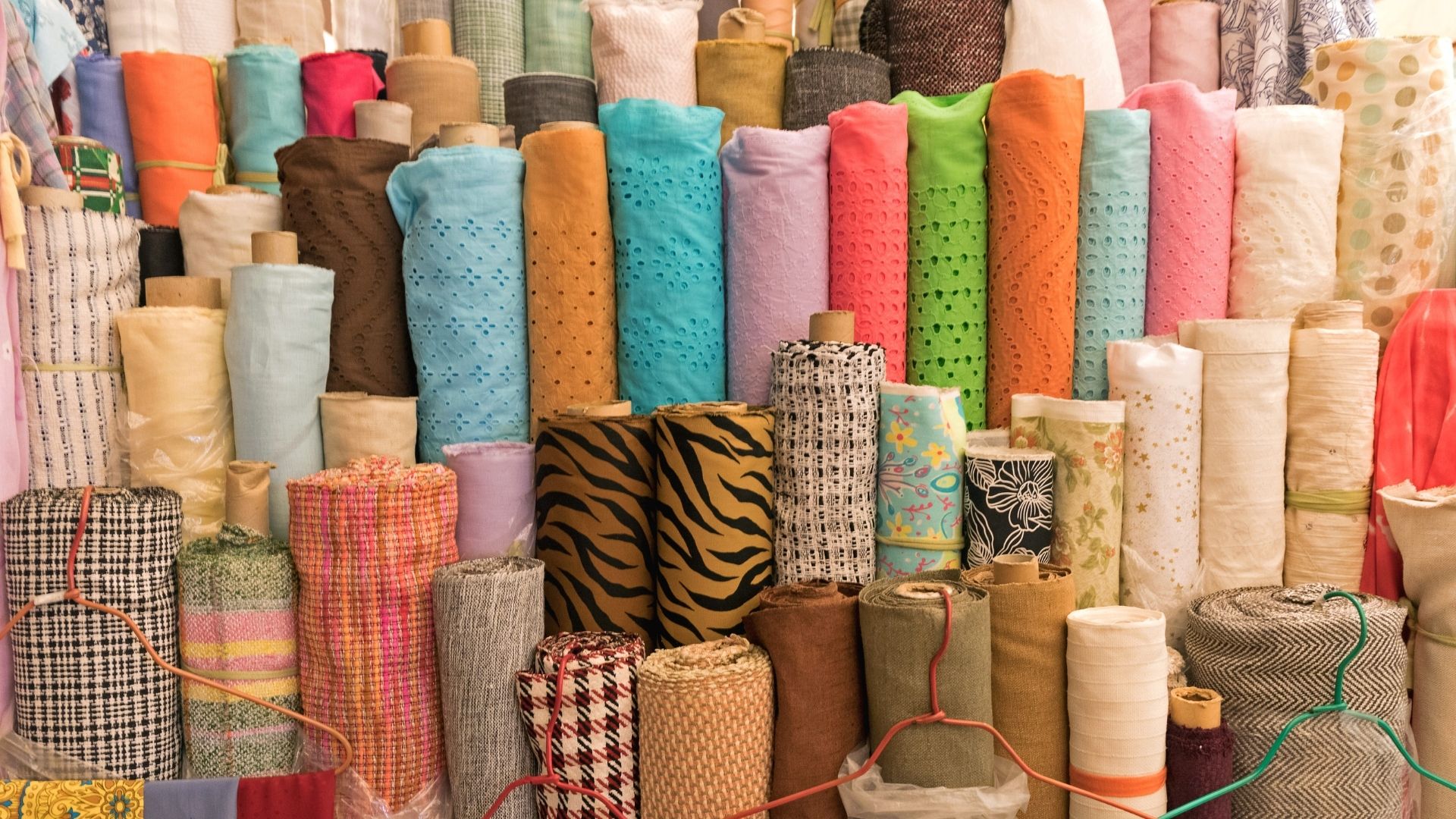
A T-shirt or a pair of jeans is much more than just fabric. Producing textiles requires significant amounts of water, energy, and raw materials. From growing cotton to dyeing fabrics and transporting finished products, every stage of the production process has an environmental footprint.
When wearable clothing is thrown away, the valuable resources used to produce it are wasted as well.
Extending the life of textiles and ensuring they are properly managed at the end of their use is essential for conserving resources and reducing environmental impacts.
Giving Textiles a Second Life
Not every unwanted garment needs to become waste. Depending on its condition, a textile product can often be reused or repurposed.
Reuse: Clothing that is still in good condition can be donated, resold, or shared with others, extending its lifespan and reducing demand for new products.
Upcycling: Old garments can be creatively transformed into new products such as tote bags, cushion covers, cleaning cloths, or decorative items.
Recycling: Textiles that can no longer be worn may be recycled into new fibers, insulation materials, industrial fabrics, or other useful products, helping recover valuable resources that would otherwise be lost.
How Can We Reduce Textile Waste?
Reducing textile waste starts with more conscious consumption.
Simple actions can make a meaningful difference, including:
- Buying only what you truly need
- Choosing durable, high-quality clothing
- Repairing garments instead of replacing them
- Donating or reselling clothes you no longer wear
- Recycling textiles that are no longer suitable for reuse
These choices help reduce waste while supporting a more sustainable fashion industry.
The Role of Textiles in the Circular Economy
A circular economy aims to keep products and materials in use for as long as possible.
In the textile sector, this means designing longer-lasting products, promoting reuse, encouraging repair, and ensuring that end-of-life textiles are collected and recycled into new resources.
Keeping textiles in circulation reduces pressure on natural resources, lowers greenhouse gas emissions, and minimizes the amount of waste sent to landfills.
Small Choices Create Lasting Impact
Every purchasing decision, every repaired garment, and every recycled textile contributes to a more sustainable future.
Textile Waste Awareness Month serves as a reminder that sustainability is not only about consuming less—it is also about making better use of the products we already own.
By extending the life of our clothing and supporting responsible textile recycling, we can help conserve valuable resources, reduce environmental impacts, and contribute to a more circular economy.
Together, even small actions can make a significant difference for our planet.