E-Waste and Raw Material Scarcity: What Does the Future Hold and What Should We Do Today?
We are living in an era of rapid technological advancement. However, the hidden side of this progress is the generation of millions of tons of electronic waste (e-waste) each year and the rapid depletion of natural resources. The issues of raw material scarcity and e-waste are beginning to significantly impact not only the environment but also the economy, production, and daily life. So, what does the future hold? And how should we manage this process today?
Why Has Raw Material Scarcity Become So Critical?
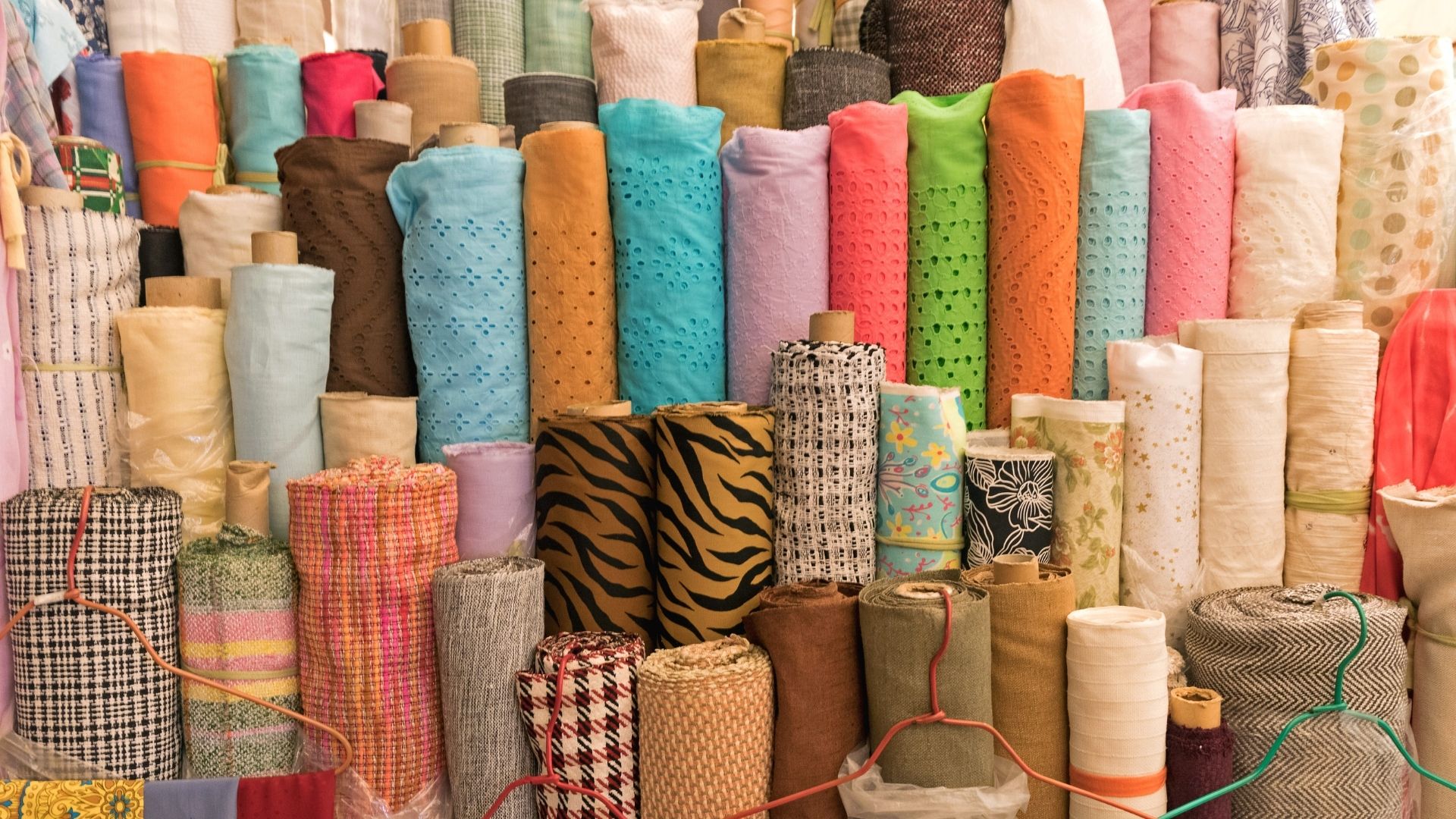
Rare earth elements, copper, cobalt, lithium, and other materials used in the production of electronic devices are finite. As demand increases, access to these resources becomes more difficult, driving up costs. Especially with the growth of renewable energy systems and battery technologies, dependence on these materials is increasing further.
What Awaits Us in the Future?
- Rising production costs
- Disruptions in supply chains
- Intensified global economic competition
- The inevitable need for sustainable production
E-Waste: An Overlooked Source of Raw Materials
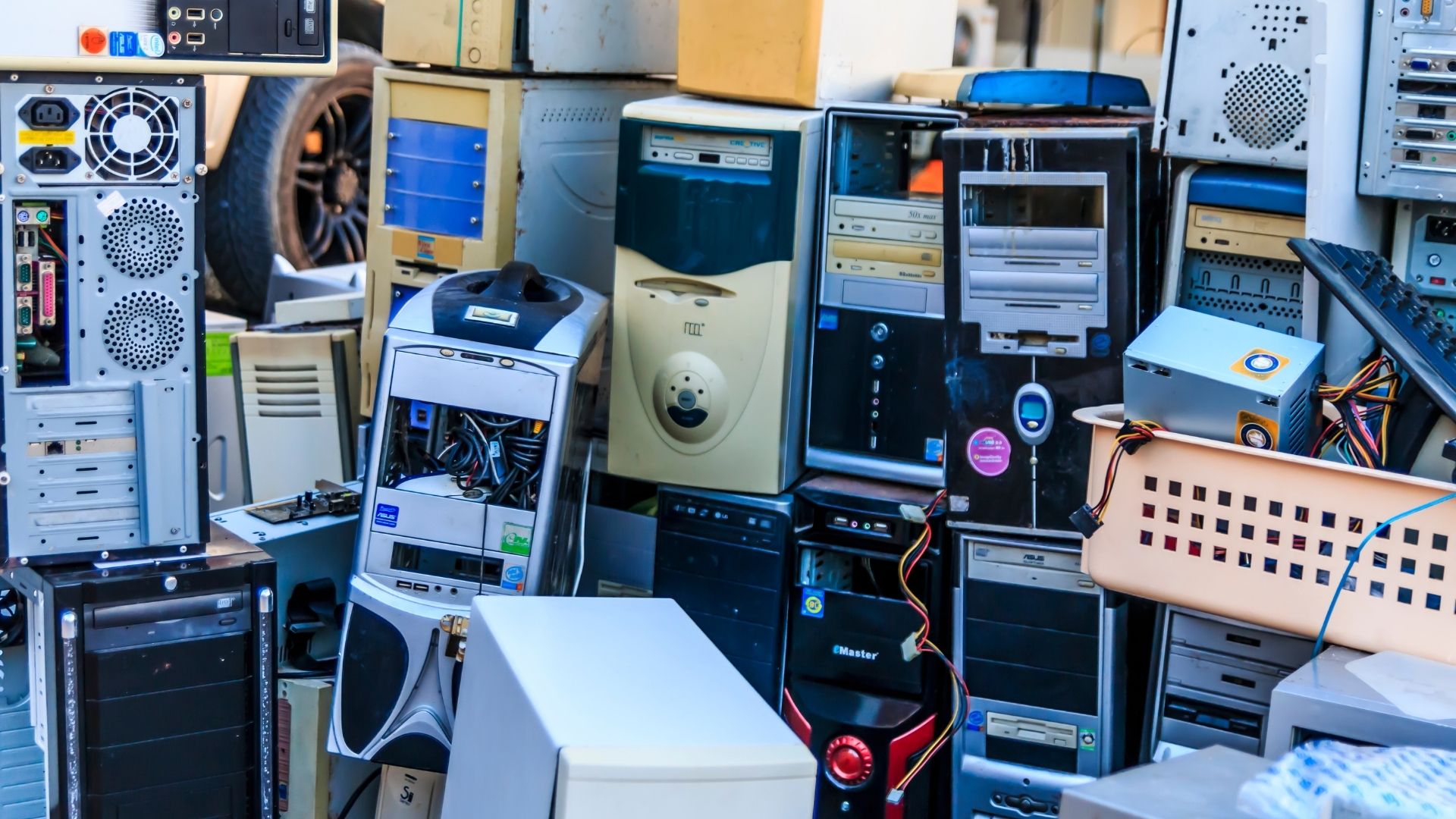
Over 50 million tons of e-waste are generated globally every year. However, only about 17% of it is recycled. Yet, e-waste can serve as a valuable source of secondary raw materials due to the precious metals it contains. When not recycled, these resources are not only lost but also pose a threat to the environment.
The Importance of E-Waste Recycling:
- Recovery of critical metals
- Reduction of environmental pollution
- Conservation of energy and water
- Lower carbon emissions
What Should We Do Today?
1. Embrace the Circular Economy
We must move away from disposable production models and implement systems that extend product life and support reuse.
2. Promote E-Waste Recycling
Individuals and institutions should deliver unused electronic devices to certified and licensed recycling centers. Platforms and digital tools can make this process easier.
3. Raise Awareness and Educate
We need to educate all segments of society about e-waste and raw material scarcity to cultivate a culture of sustainable living.
4. Invest in Technological Innovation
Technologies like AI, IoT, and big data analytics can offer solutions for sorting, tracking, and managing waste more effectively.
5. Policy and Regulatory Support
Governments should introduce and enforce legislation that promotes the collection and recycling of e-waste.
Conclusion: The Future Is Shaped by Today's Actions
Raw material crises and e-waste will be among the key factors shaping the future of energy and technology. However, with the right actions taken today, this crisis can be transformed into an opportunity.
At Mol-e, we turn e-waste into valuable resources—protecting both the environment and the economy.
If you would like to contribute to a sustainable future, it’s time to take action!
📞 Contact Us: +90 850 308 97 14
🌍 Website: mol-e.co