What Is the Circular Economy and Why Does It Matter for Our Future?
With the rapid depletion of natural resources, increasing waste levels, and the worsening climate crisis, it's becoming clear that the traditional "take, make, dispose" model is no longer sustainable. This is where the circular economy comes into play — a model that promises both environmental protection and economic opportunity.
What Is the Circular Economy?
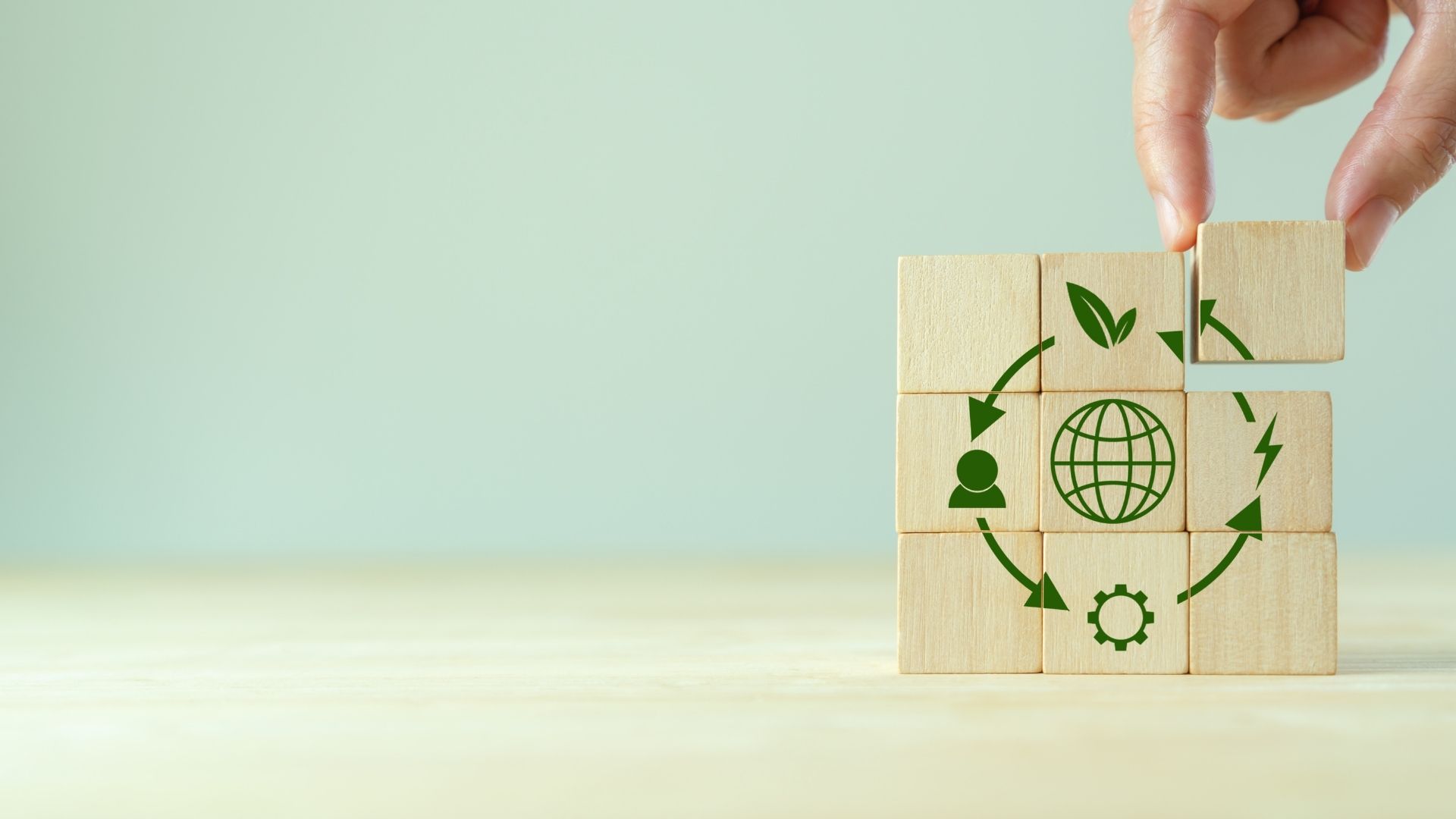
The circular economy is an economic system aimed at eliminating waste and keeping products, materials, and resources in use for as long as possible. Instead of discarding products after use, it emphasizes repair, reuse, refurbishment, and recycling.
In short: There’s no waste — only resources.
How Does It Differ from the Linear Economy?
In the traditional linear economy, the process looks like this:
🔸 Make → Use → Dispose
In contrast, the circular economy works like this:
🔄 Design → Produce → Use → Recover → Reuse
This system reduces resource consumption and minimizes environmental impact.
How Mol-e Supports the Circular Economy
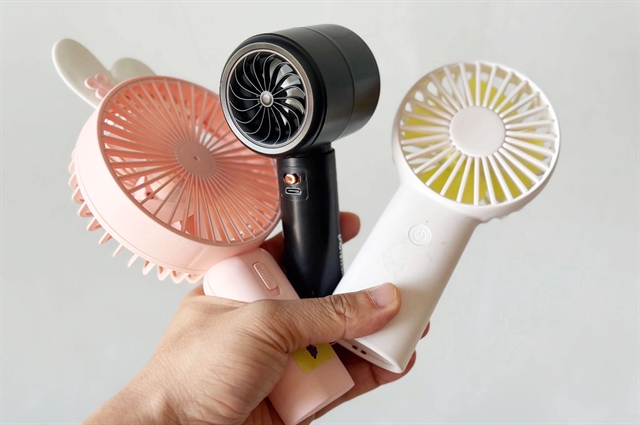
Electronic waste (e-waste) is one of the most critical areas for circular economy practices. While e-waste contains valuable materials like gold, silver, and copper, it can cause serious environmental harm if improperly discarded.
At Mol-e, we are at the heart of circular economy transformation.
Our digital platforms and smart e-waste collection systems help individuals and organizations recycle e-waste legally, efficiently, and sustainably — reducing carbon emissions while recovering valuable materials.
Mol-e’s Contributions to the Circular Economy:
- ♻️ 155,000 tons of e-waste reintroduced into the economy
- 🌱 230,000 tons of CO₂ emissions prevented
- 💎 10,000 tons of valuable metals recovered
- 📊 Transparent and trackable waste management via digital reporting
Why It Matters for Businesses
In today’s world, circular practices aren’t just a “nice to have” — they’re a regulatory and strategic necessity.Businesses are increasingly expected to meet requirements set by the EU Green Deal, Extended Producer Responsibility (EPR), and local environmental regulations.
With Mol-e, companies can:
- Improve recycling rates
- Align with legal and sustainability frameworks
- Integrate e-waste into CSR and ESG initiatives
Bottom Line: Circular Economy = Sustainable Future
Our natural resources are finite — but our solutions don’t have to be. The circular economy gives us a way to preserve the planet while creating economic value.
🌍 Don’t throw away your e-waste — turn it into opportunity.
Join the circular movement with Mol-e and let’s build a better future, together.