July: Plastic Waste Month – Small Waste, Big Impact
Plastic has become an essential part of modern life. It is lightweight, durable, and cost-effective, making it one of the most widely used materials across industries. However, these same qualities also make plastic one of the most persistent forms of waste when it is not managed responsibly. As part of the Zero Waste Calendar, July has been designated as Plastic Waste Month. This initiative aims to raise awareness about reducing plastic consumption, promoting responsible waste management, and encouraging recycling practices that support a more sustainable future.
Why Does Plastic Waste Matter?
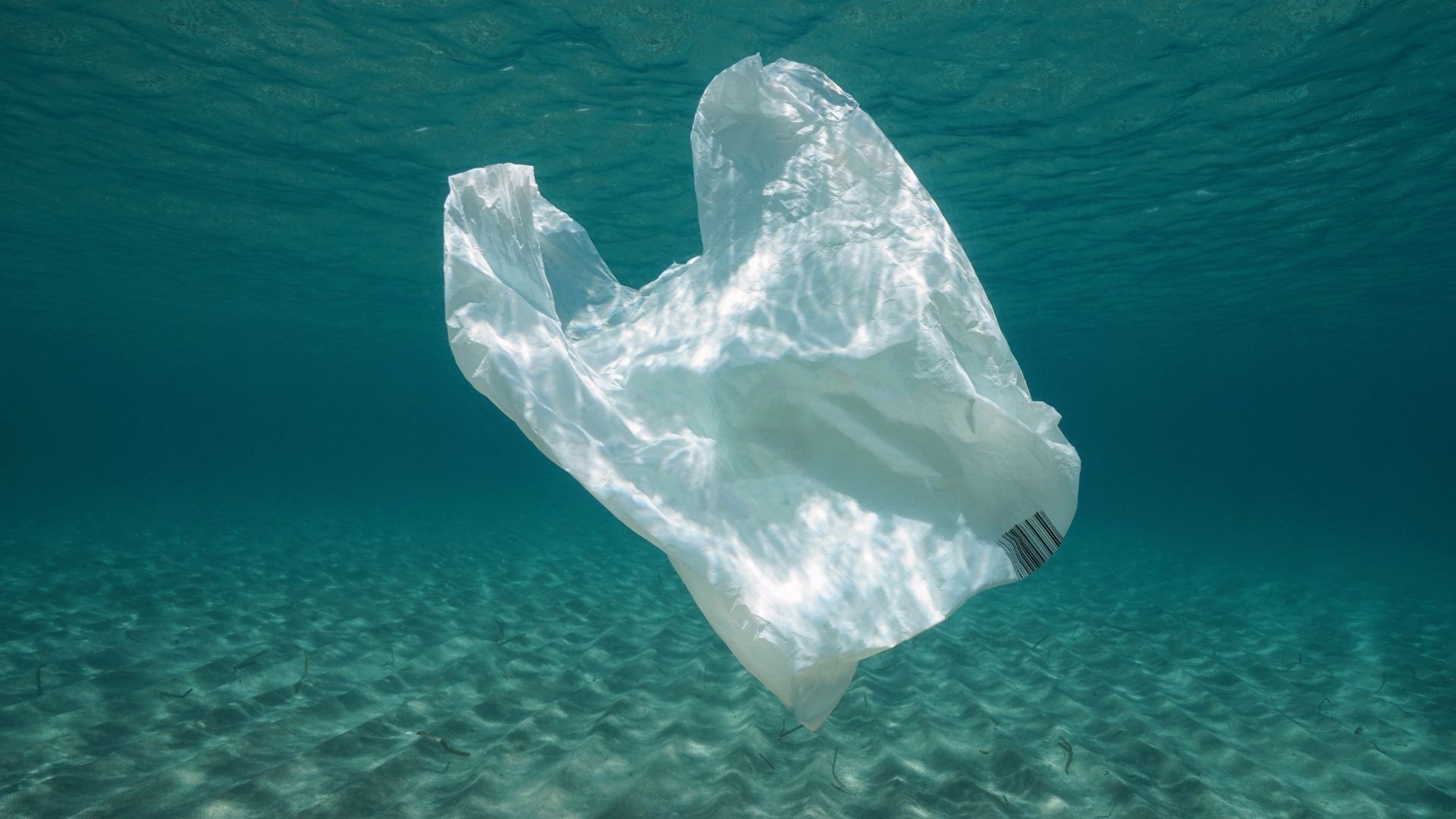
Plastic plays an important role in our daily lives, but its environmental impact cannot be ignored. Many plastic products can take hundreds of years to decompose. During this time, they gradually break down into microplastics, which contaminate soil, rivers, oceans, and even the food we eat and the water we drink. Plastic pollution is therefore not only an environmental issue but also a growing concern for human health, biodiversity, and climate resilience.
The Global Plastic Waste Challenge
The scale of plastic production continues to grow every year.
Today:
- More than 400 million tonnes of plastic are produced globally each year.
- A significant portion of this production consists of single-use plastics.
- Millions of tonnes of plastic waste are either landfilled, incinerated, or leaked into the environment.
- Plastic pollution threatens marine ecosystems, wildlife, and natural habitats around the world.
These figures highlight the urgent need to reduce plastic consumption while improving recycling and resource recovery.
Why Recycling Plastic Matters
Recycling plastic helps transform waste into valuable resources. When plastic is properly collected and recycled, it contributes to:
- Reducing the demand for virgin fossil-based raw materials.
- Lowering energy consumption during manufacturing.
- Decreasing greenhouse gas emissions.
- Reducing the amount of waste sent to landfills.
- Supporting a more circular and resource-efficient economy.
Recycled plastics can be used in the production of packaging, textiles, automotive components, construction materials, and many other products, extending the life cycle of valuable materials.
Small Actions Make a Big Difference
Addressing plastic pollution begins with changing everyday habits. Simple actions can have a meaningful impact, such as:
- Reducing the use of single-use plastics.
- Choosing reusable water bottles and coffee cups.
- Carrying reusable shopping bags.
- Preferring products with less plastic packaging.
- Sorting plastic waste correctly for recycling.
- Reusing plastic products whenever possible.
While these actions may seem small individually, their collective impact can significantly reduce plastic pollution.
Plastic Waste Management for Businesses
Sustainability has become a strategic priority for organizations across every industry. Today, companies are expected not only to manage their waste responsibly but also to monitor and improve their environmental performance. Effective plastic waste management includes:
- Reducing plastic consumption.
- Increasing recycling rates.
- Tracking waste generation digitally.
- Measuring environmental impacts.
- Supporting sustainability reporting and ESG objectives.
As sustainability reporting frameworks continue to evolve, accurate waste data is becoming an essential component of corporate environmental performance.
Plastic Waste and the Circular Economy
Every recycled plastic product reduces the need for new raw materials. By returning plastics to production cycles, organizations can help:
- Reduce dependence on fossil resources.
- Lower greenhouse gas emissions.
- Save energy throughout manufacturing processes.
- Minimize environmental pollution.
- Preserve natural resources for future generations.
Rather than following the traditional "take-make-dispose" model, the circular economy keeps materials in use for as long as possible, maximizing their value while minimizing waste. Plastic recycling is one of the most effective examples of this approach in action.
Building a More Sustainable Future
Plastic Waste Month is more than just a date on the calendar—it is a reminder that sustainable resource management begins with everyday decisions. Whether as individuals or organizations, reducing plastic waste, improving recycling practices, and embracing circular economy principles are essential steps toward protecting our environment and addressing the climate crisis. At Mol-e, we support organizations in building more sustainable waste management systems through digital tracking solutions, environmental reporting, and circular economy initiatives. By making waste measurable, traceable, and actionable, we help businesses transform environmental responsibility into long-term value. Because every piece of plastic that is reused, recycled, or prevented from becoming waste is a step toward a cleaner and more sustainable future.