
Why Does 40°C Cause a Crisis in France but Not in Istanbul?
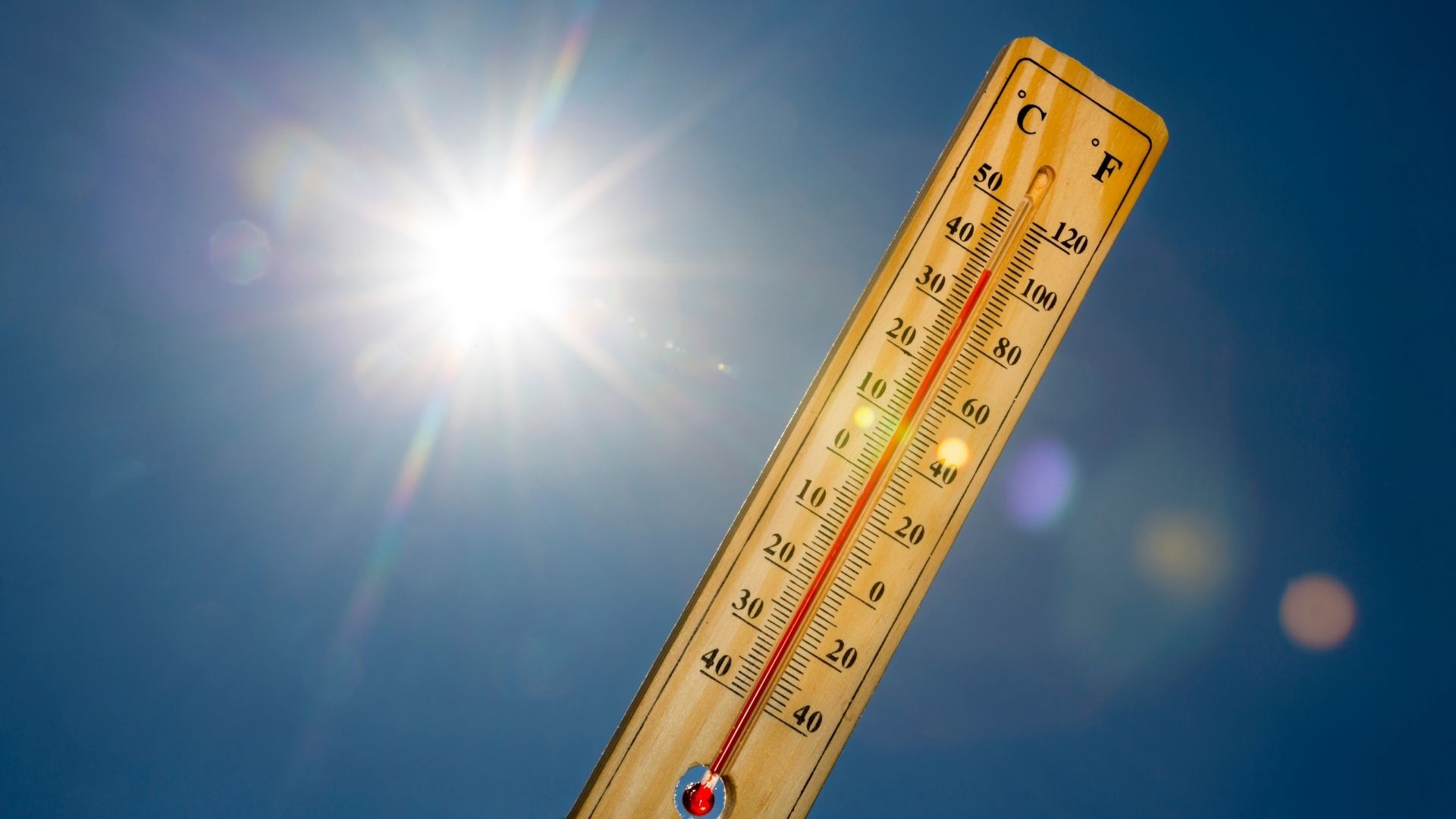
In recent years, Europe has experienced increasingly intense heatwaves. France has recently recorded temperatures exceeding 40°C (104°F), prompting school closures, transportation disruptions, health warnings, and red-alert heat advisories. At the same time, Istanbul has also experienced temperatures approaching or even reaching 40°C during summer. Yet, the city generally continues to function without the same level of disruption. So why does the same temperature have such different consequences? The answer lies not only in the thermometer reading but also in climate, infrastructure, urban planning, and how societies have adapted to heat over time.
The Same Temperature Doesn't Mean the Same Impact
A temperature of 40°C is physically the same everywhere, but its impact varies significantly depending on local conditions. The severity of a heatwave depends on factors such as:
- Regional climate
- Nighttime temperatures
- Humidity levels
- Building design
- Availability of green spaces
- Urban density
- Public adaptation to extreme heat
These factors determine how dangerous a heatwave becomes for both people and infrastructure.
Why Is 40°C So Exceptional in France?
France has traditionally enjoyed a temperate climate, with summer temperatures typically ranging between 25°C and 30°C (77°F–86°F) in many regions. As a result:
- Many homes are not equipped with air conditioning.
- Schools and public buildings were not designed for prolonged extreme heat.
- Railways and infrastructure are more vulnerable to high temperatures.
- People are generally less accustomed to coping with extended heatwaves.
Climate change is altering this pattern. Temperatures exceeding 40°C, once considered extremely rare, are becoming increasingly common across France.
Why Does Istanbul Seem More Resilient?
Although Istanbul is also experiencing the effects of climate change, the city has historically experienced hotter summers due to its Mediterranean-influenced climate. This has led to greater adaptation over time. Compared to many parts of France:
- Air conditioning is more common.
- Residents are accustomed to adjusting their daily routines during hot weather.
- Businesses and public spaces are generally better prepared for high temperatures.
- Summer lifestyles have naturally adapted to prolonged heat.
This does not mean Istanbul is immune to heatwaves—it simply means the city has developed a higher level of resilience.
Humidity Makes a Huge Difference
One of the biggest differences between Istanbul and many French cities is humidity. Humidity significantly affects the "feels like" temperature. When humidity is high, sweat evaporates more slowly, making it harder for the human body to cool itself. For example:
- 34°C (93°F) with high humidity can feel similar to 40°C (104°F) in dry conditions.
This explains why residents of Istanbul often experience temperatures that feel considerably hotter than the actual air temperature.
The Real Danger Begins at Night
According to climate scientists, the greatest threat during a heatwave is often not the daytime temperature—but the nighttime temperature. When temperatures remain high overnight:
- The human body cannot recover from daytime heat stress.
- The risk for elderly people and individuals with chronic illnesses increases.
- Heat accumulates over several consecutive days.
During recent French heatwaves, unusually warm nights significantly increased health risks and emergency responses.
Why Are Cities Hotter Than Rural Areas?
The answer lies in the Urban Heat Island Effect. Concrete, asphalt, and dark building materials absorb solar energy throughout the day and slowly release it after sunset. As a result, city centers often remain several degrees warmer than surrounding rural areas. Additional contributors include:
- Limited green spaces
- Dense urban development
- Heavy traffic
- Heat emitted from air conditioning systems
This phenomenon affects both Paris and Istanbul, making urban populations particularly vulnerable during extreme heat events.
Climate Change Is Redefining Europe's Summers
Europe is now recognized as the fastest-warming continent on Earth. Temperatures above 40°C, once associated primarily with Southern Europe, are increasingly being recorded in cities such as Paris, London, and Berlin. Heatwaves are becoming more frequent, lasting longer, and reaching higher temperatures than ever before. What was once considered an exceptional weather event is gradually becoming part of Europe's new climate reality.
What Can Be Done?
While heatwaves cannot be completely prevented in the short term, their impacts can be significantly reduced.
Cities can become more resilient by:
- Expanding urban green spaces
- Increasing shaded public areas
- Using reflective and permeable building materials
- Constructing energy-efficient buildings
- Integrating climate adaptation into urban planning
Businesses also have an important role to play by:
- Reducing greenhouse gas emissions
- Improving energy efficiency
- Supporting electronic waste recycling
- Embracing circular economy practices
- Measuring and reporting environmental impacts
These actions not only help mitigate climate change but also strengthen resilience against future climate risks.
Conclusion
The fact that both France and Istanbul experience temperatures around 40°C does not mean they experience the same consequences. The impact of extreme heat depends on much more than air temperature. Climate conditions, humidity, urban design, infrastructure, nighttime temperatures, and public adaptation all determine how dangerous a heatwave becomes. One thing, however, is certain: The climate crisis is no longer a future challenge—it is today's reality. The increasingly frequent heatwaves across Europe demonstrate that climate adaptation is no longer optional. Governments, businesses, and individuals all have a role to play in reducing carbon emissions, improving resource efficiency, and supporting circular economy initiatives. At Mol-e, we believe that responsible resource management and digital sustainability solutions are essential steps toward building climate-resilient communities and creating a more sustainable future.