What Is Extended Producer Responsibility (EPR)?
A New Standard for Sustainable Production
As sustainability becomes a global priority, industries are transforming the way they produce, consume, and manage waste. At the heart of this transformation lies Extended Producer Responsibility (EPR) — a key policy approach that places environmental responsibility directly in the hands of producers.
For businesses operating in electronics, packaging, plastics, and more, EPR is not just about compliance — it’s a strategic step toward a circular and sustainable future.
What Is EPR?
Extended Producer Responsibility (EPR) means that a producer is responsible for the entire lifecycle of a product, including the post-consumer stage — not just manufacturing and selling it.
In practice, this means producers are responsible for:
- ♻️ Recycling
- 🚛 Collection and logistics of waste
- 💥 Safe disposal or reuse of their products after use
In short: Responsibility no longer ends at the point of sale.
Why Is EPR Important?
- Reduces Environmental Impact: Prevents harmful waste from ending up in nature
- Promotes Resource Efficiency: Enables materials to be recovered and reused
- Ensures Regulatory Compliance: Meets requirements under EU Green Deal, WEEE Directive, and national legislation
- Builds Brand Trust: Consumers increasingly prefer environmentally responsible brands
EPR in Turkey
In Türkiye, EPR regulations apply to:
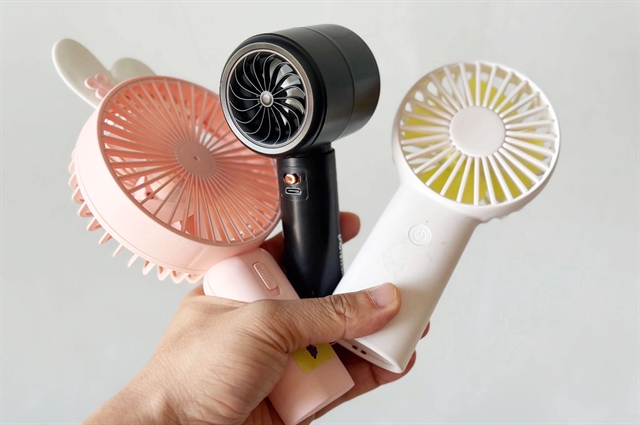
- Electronic and electrical equipment (WEEE/AEEE)
- Batteries and accumulators
- Packaging waste
- and more.
Producers are required to:
- Collaborate with licensed recycling partners
- Establish take-back and collection systems
- Provide transparent environmental reporting
How Mol-e Helps You Meet EPR Obligations
At Mol-e, we provide a complete solution for managing electronic waste (e-waste) in compliance with EPR regulations. Our digital platform makes the process efficient, traceable, and legally sound.
✅ Our EPR Solutions Include:
- Collection and recycling via licensed facilities
- Transparent carbon footprint and recovery reporting
- Full compliance with WEEE & EPR regulations
- Real-time monitoring through digital tracking systems
- Integration with CSR and sustainability strategies
We help companies not only meet their legal obligations, but also contribute meaningfully to environmental sustainability.
Conclusion: EPR Is a Responsibility That Extends Into the Future
Extended Producer Responsibility is more than just a policy — it’s a mindset shift toward sustainable manufacturing, circular economy, and corporate responsibility. Today’s producers have the power to shape tomorrow’s environmental outcomes.
🔁 Digitize your EPR journey with Mol-e, and protect both your brand and the planet.